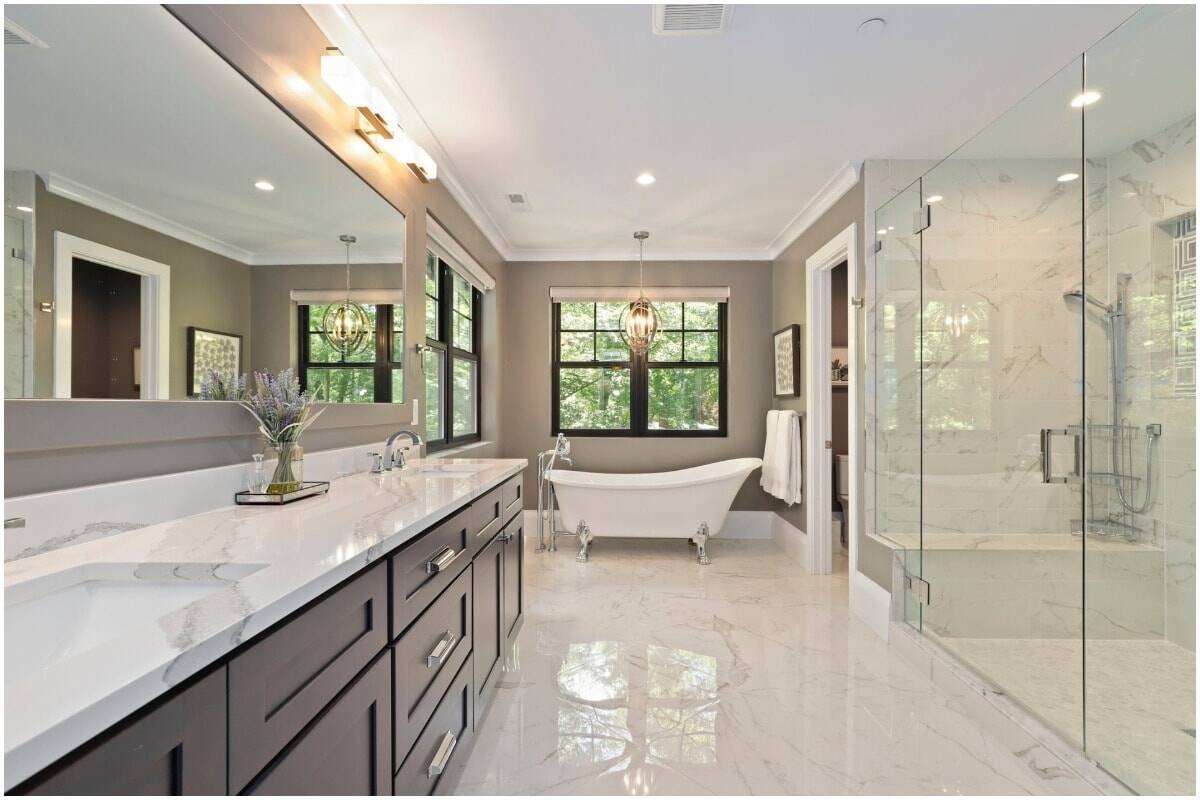
Upgrading to a walk-in shower is one of the most transformative improvements you can make in a bathroom, and exploring Walk-In Shower Renovation Near Me is the first step toward creating a more comfortable, accessible, and visually appealing space. Homeowners often choose walk-in showers for easier maintenance, modern aesthetics, and improved safety—especially in California homes where efficient design and long-term usability are top priorities. Understanding the renovation process helps ensure your project goes smoothly and results in a shower that fits your lifestyle and enhances your home’s value.
Step 1: Evaluate Your Current Bathroom Layout
Before making any decisions, assess your existing bathroom design. Consider the shower or tub size, plumbing placement, available floor space, and overall layout. Some walk-in shower renovations require reconfiguring drains or adjusting the footprint, while others may fit into the existing alcove. A professional evaluation identifies what’s possible without major structural changes.
Step 2: Identify Your Goals and Preferences
Walk-in showers offer endless customization options. Do you prefer a frameless glass enclosure, a partial wall, or a fully open design? Are you aiming for a spa-like look with rainfall showerheads, body sprays, or built-in seating? Or is your priority accessibility, with grab bars, low-threshold entries, and slip-resistant flooring? Clarifying what matters most helps guide material and layout choices.
Step 3: Choose the Right Shower System and Materials
Materials play a major role in durability, maintenance, and style. Porcelain tile is a popular choice for its strength and moisture resistance. Large-format tiles provide a sleek, modern look with fewer grout lines. Natural stone creates a high-end appearance, but it requires sealing and more frequent care. Slab wall systems or acrylic surrounds offer easy cleaning and a watertight installation. Flooring should include slip-resistant textures for safety. Your contractor can guide you toward materials that balance beauty and practicality.
Step 4: Consider Drainage and Waterproofing
Proper drainage is essential to a long-lasting walk-in shower. Linear drains, center drains, and hidden drains each offer different advantages depending on your design. Waterproofing is equally important—especially in California’s dry climate where unexpected leaks can cause structural issues. Contractors use membranes, cement boards, and waterproof coatings to protect walls and subfloors from moisture. These steps ensure your shower remains durable and leak-free over time.
Step 5: Plan for Accessibility and Long-Term Use
Many homeowners choose walk-in showers for improved accessibility. Zero-threshold or low-entry designs reduce tripping hazards. Built-in benches provide comfort, and grab bars add stability. Handheld showerheads make cleaning easier and support mobility for every age. These considerations help your shower remain functional for years to come, even as needs change.
Step 6: Review Plumbing and Electrical Needs
Walk-in shower renovations often require plumbing adjustments—especially if you’re relocating the showerhead or adding multiple fixtures. New LED lighting, niches with accent lighting, or anti-fog mirrors may require electrical upgrades. A qualified contractor ensures everything meets California code requirements and works safely within your bathroom layout.
Step 7: Choose the Right Contractor
Once your plans and materials are taking shape, you’ll begin comparing professionals offering Walk-In Shower Renovation Contractors Near Me to find the right fit. Look for contractors with experience in walk-in shower installations, waterproofing systems, and tile work. Review their portfolios, ask about project timelines, and check customer feedback. Contractors with strong communication and transparent estimates help make the renovation process enjoyable and predictable.
Step 8: Understand the Timeline and Process
Walk-in shower renovations typically take a few days to a couple of weeks depending on complexity. Demolition, plumbing adjustments, waterproofing, tile installation, and fixture setup each require precision. A reliable contractor provides a clear schedule so you know what to expect and when the project will be complete.
Step 9: Prepare for Daily Use After Installation
Once installation is complete, allow adequate curing time for grout, sealants, and waterproofing systems. Your contractor will provide care instructions, including how to protect tile, maintain grout cleanliness, and prevent mildew. Simple habits—like using a squeegee after each shower—can extend the life of your new walk-in shower.
Step 10: Verify Quality and Final Touches
During the final walkthrough, inspect tile alignment, grout lines, water pressure, temperature balance, and fixture placement. Ensure doors open smoothly, drainage works properly, and niches or shelves meet your storage needs. Quality workmanship shows in the details.
As you evaluate your options and gather quotes, browsing listings from California business network can help you compare experienced remodelers, verify credentials, and find specialists with excellent client reviews. Choosing the right team ensures your walk-in shower renovation is functional, stylish, and built to last.
When you’re ready for an upgrade, start by assessing your space, collecting inspiration, and scheduling professional consultations. With thoughtful planning and the right contractor, your walk-in shower can become a beautiful, comfortable retreat in your home.